
Weatherproofing Your Pole Building: Tips for Every Season
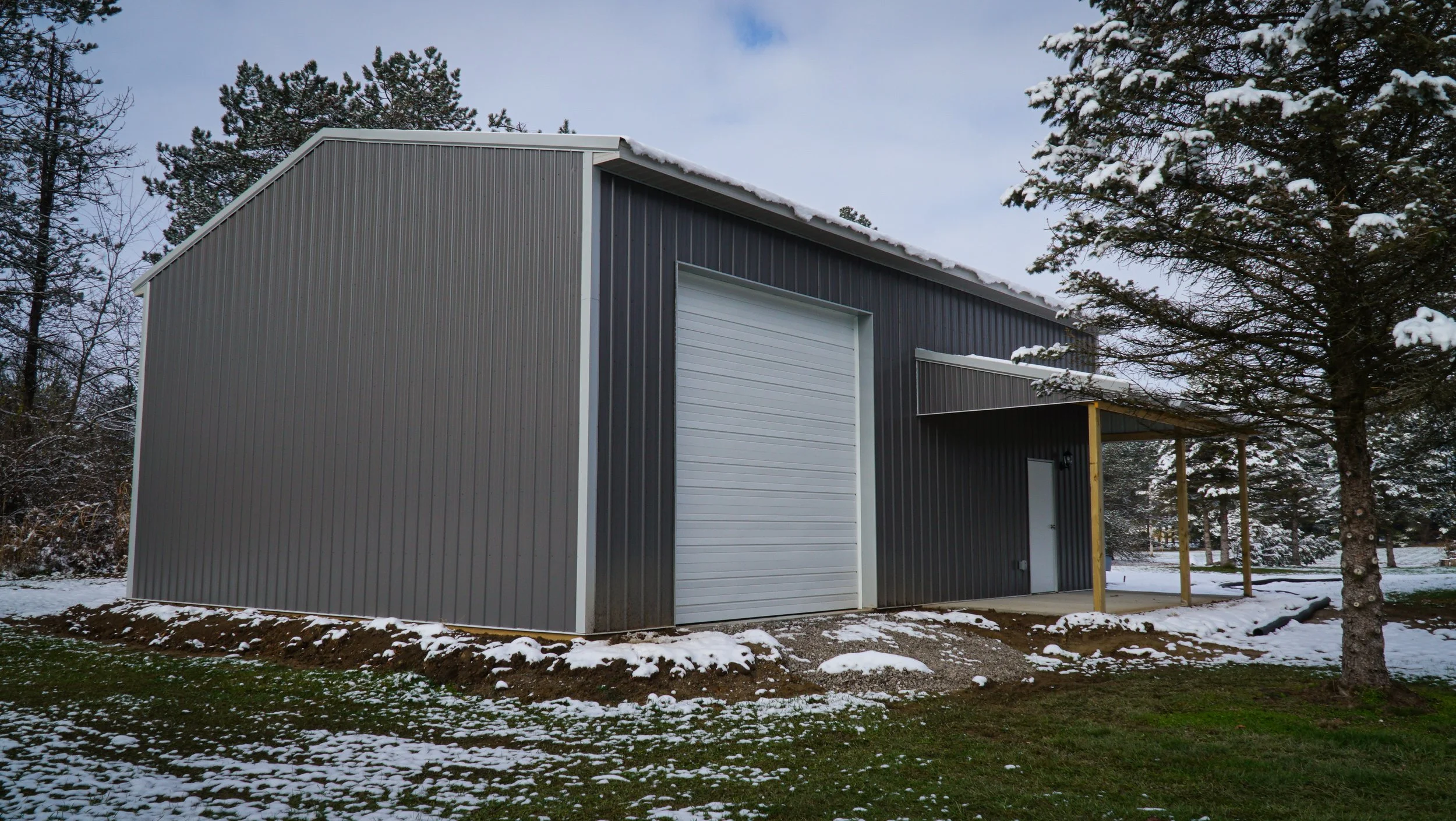
A pole building is one of the most durable structures you can add to your property — but like any investment, it rewards the owners who take care of it. One of the most important things you can do to protect your building and everything inside it is to weatherproof it properly and maintain that protection season after season.
The good news? Most weatherproofing measures are straightforward, affordable, and well within reach of any property owner. The even better news is that a well-built pole building from the start — with quality materials and proper construction — makes weatherproofing significantly easier.
Here's a season-by-season guide to keeping your pole building tight, dry, and working hard all year long.
Why Weatherproofing Matters
Before we get into the seasonal specifics, it's worth understanding what's actually at stake. A pole building that isn't properly sealed and maintained is vulnerable to:
Moisture intrusion — water finding its way in through gaps, failed seals, or poor drainage can damage stored equipment, rot wood framing, and create mold and mildew problems over time.
Heat and cold extremes — without proper insulation and sealing, temperature swings inside your building can damage equipment, make the space unusable for people, and put stress on the structure itself.
Wind damage — doors, vents, and roof panels that aren't properly secured can fail in high winds, leading to costly repairs and potential damage to everything inside.
Pest infiltration — gaps and unsealed openings are an open invitation for rodents, birds, and insects to set up shop inside your building.
A little attention to weatherproofing goes a long way toward avoiding all of these problems.
Spring: Inspect, Repair, and Prepare
Spring is the most important season for pole building maintenance. After a winter of freeze-thaw cycles, snow loads, and ice, your building has been through a lot. Before spring rains arrive in full force, take the time to do a thorough inspection.
Roof Inspection
Walk around your building and look for any visible damage to the steel roofing panels — dents, lifted edges, or areas where screws may have backed out over winter. Pay close attention to the ridge cap and any penetrations through the roof (vents, exhaust pipes). These are the most common entry points for water.
Check your gutters and downspouts if your building has them. Clear out any debris from winter and make sure water is being directed away from the foundation and post bases.
Seal Gaps and Openings
After winter's movement and settling, gaps can open up around doors, windows, and where the siding meets the foundation. Walk the entire perimeter of the building and look for any openings — no matter how small. Use a high-quality exterior caulk or foam sealant to close them up before spring rains begin.
Door Hardware Check
Cold weather is hard on door springs, rollers, and tracks. Spring is the right time to lubricate all moving parts on overhead doors and sliding doors, check for alignment issues, and replace any weatherstripping that has cracked or compressed over winter.
Drainage Assessment
Watch how water moves around your building during the first heavy spring rain. If you're seeing pooling near the base of the walls or around post locations, address it now with grading, drainage tile, or gravel. Standing water against your posts and foundation is one of the most damaging things that can happen to a pole building over time.
Summer: Ventilation, Heat Management, and Storm Prep
Summer brings its own set of challenges — primarily heat, humidity, and the threat of severe storms.
Ventilation Is Everything
A poorly ventilated pole building in July is an oven. More importantly, trapped heat and humidity accelerate the breakdown of stored materials, promote rust on metal equipment, and create conditions favorable for mold growth.
Make sure your ridge vents, eave vents, or gable vents are open, unobstructed, and functioning. If your building lacks proper ventilation, summer is a great time to add it. A well-ventilated building stays significantly cooler and drier without any mechanical systems at all.
If you use your building as a workspace, consider adding a powered ventilation fan or a mini-split system to make the heat manageable during peak summer months.
Check for Condensation Issues
Summer humidity can cause condensation to form on the inside of metal roofing and siding panels — especially in the early morning hours when temperatures drop. If you're seeing moisture dripping from the ceiling or walls, this is a sign that your building either lacks adequate insulation or ventilation. Condensation over time leads to rust, mold, and damage to stored items. Insulating the underside of your roof panels with a vapor-retarding insulation is the most effective long-term solution.
Storm Preparedness
Summer storm season means high winds, heavy rain, and occasionally hail. Before storm season peaks, take a walk around your building and make sure:
All door latches and locks are functioning and engaged when the building is not in use
Overhead door cables and springs are in good condition
Any items stored outside near the building are secured or moved inside
Roof screws and panel fasteners are tight — back out over time from temperature cycling and vibration
If your area is prone to severe weather, consider installing a wind bar or bracing kit on your large overhead doors. These relatively inexpensive additions can be the difference between a door that holds and one that fails catastrophically in a high wind event.
Fall: Seal, Insulate, and Get Winter-Ready
Fall is your last chance to button up the building before cold weather arrives. Time spent now pays dividends in a comfortable, protected building all winter long.
Weatherstripping and Door Seals
Check every door in your building — overhead doors, walk-in doors, and sliding doors. The bottom seal on your overhead door takes the most abuse and should be replaced any time you notice light coming through at the base or feel cold air when standing near a closed door. Side and top seals on overhead doors should be pliable and making firm contact with the door panel.
For sliding doors, check that the bottom sweep or threshold seal is intact and that the door is closing flush against the frame with no significant gaps.
Insulation Assessment
If your building isn't insulated and you plan to use it through winter — whether for livestock, a heated workshop, or climate-sensitive storage — fall is the time to address it. Even a basic insulation package (fiberglass batts in the walls and ceiling) can dramatically reduce heat loss and prevent the freeze-thaw moisture cycle that can damage the interior of uninsulated buildings.
If your building is already insulated, check that no sections of insulation have been compressed, damaged, or displaced over the past year.
Rodent-Proof Before They Move In
As temperatures drop, mice, rats, and other pests start looking for warm places to spend the winter — and your pole building is an attractive option. Do a thorough sweep of the building's perimeter and interior, looking for any gaps larger than a quarter inch at the base of walls, around pipes or conduit, or near door frames. Steel wool packed into gaps followed by foam sealant is an effective deterrent. Don't leave food, seed, or feed in unsealed bags — store everything in metal containers.
Gutter Cleaning and Downspout Extensions
If your building has gutters, clean them thoroughly in late fall after the leaves are down. Make sure downspouts are directed well away from the building's foundation — ideally with extensions that carry water at least four to six feet away from the base.
Winter: Monitor, Protect, and Don't Ignore Warning Signs
Winter is primarily a monitoring season. If you've done your spring, summer, and fall maintenance well, your building should be in good shape. But winter still demands attention.
Snow Load Awareness
Most well-designed pole buildings are engineered to handle the snow loads typical for their region. That said, unusually heavy or wet snow years can push loads toward design limits — especially on older buildings or those not originally designed for heavy snow. After significant snowfalls, take a walk inside your building and look for any signs of distress: unusual creaking, deflection in roof trusses, or doors that suddenly don't open and close easily (a sign the frame may be racking under load).
If you have any concerns, clear snow from the roof using a roof rake from ground level and consult with a building professional.
Ice Dam Prevention
Ice dams form when heat escaping through your roof melts snow, which then refreezes at the cold eave edge and backs up under roofing panels. The best prevention is adequate insulation and ventilation — but in the short term, keeping gutters and eaves clear of ice buildup will help water drain freely.
Watch for Condensation and Frost
During extreme cold, condensation and frost can form on the inside of metal panels — particularly in buildings used for livestock (which generate significant moisture through respiration) or any building without proper insulation. If you're seeing frost on the inside of your walls or ceiling, it's a signal that your building needs better insulation and vapor management before the following winter.
Keep an Eye on Doors in Cold Snaps
Overhead door springs lose tension in extreme cold, making doors harder to open and more likely to fail. Lubricate springs with a lithium-based grease rated for cold temperatures in late fall, and check tension in January or February if you're experiencing issues.
Year-Round Best Practices
Beyond the seasonal checklist, a few habits will serve your building well in every month of the year:
Keep the perimeter clear. Vegetation growing against your building's siding traps moisture and creates a pathway for insects and rot. Keep a clear, gravel-free zone around the base of the building and trim any vegetation that makes contact with the siding.
Address small problems immediately. A single loose roof screw, a small gap in a door seal, or a minor drainage issue may seem trivial — but left unattended, small problems become expensive ones. When you notice something, fix it.
Keep it clean inside. Debris, old hay, leaves tracked in from outside, and accumulated dust create conditions for pests and moisture to take hold. A clean interior is a healthy one.
Know your building's design specs. Understanding what your building was engineered for — snow loads, wind speeds, intended use — helps you make informed decisions about how you use and maintain it over time.
Built for the Long Haul
At Kirkham Building System, Inc., we build pole buildings designed to stand up to whatever the Midwest throws at them. That starts with quality materials, engineered trusses, and construction practices that set your building up for decades of durability. But the best building in the world benefits from an owner who cares for it.
If you have questions about weatherproofing an existing building, are planning a new build and want to discuss the best options for insulation and ventilation from the start, or just want to talk through what it takes to protect your investment long-term — we're here to help.
Contact Kirkham Building System, Inc. today to schedule your free consultation.
Kirkham Building System, Inc. — Pole Building Specialists. Built Right. Built to Last.